The Ones Who Walk Away from Omelas on Apple Books

Historical Context of The Ones Who Walk Away from Omelas. The city of Omelas is never given a specific location in time or space, but seems to occur in an imaginary universe outside the realm of human history. Even so, the story was written during a moment of political change in the United States. Le Guin wrote and published "Omelas" in the.
Tầng nghĩa ẩn trong The Ones Who Walk Away from Omelas của Ursula K. Le Guin

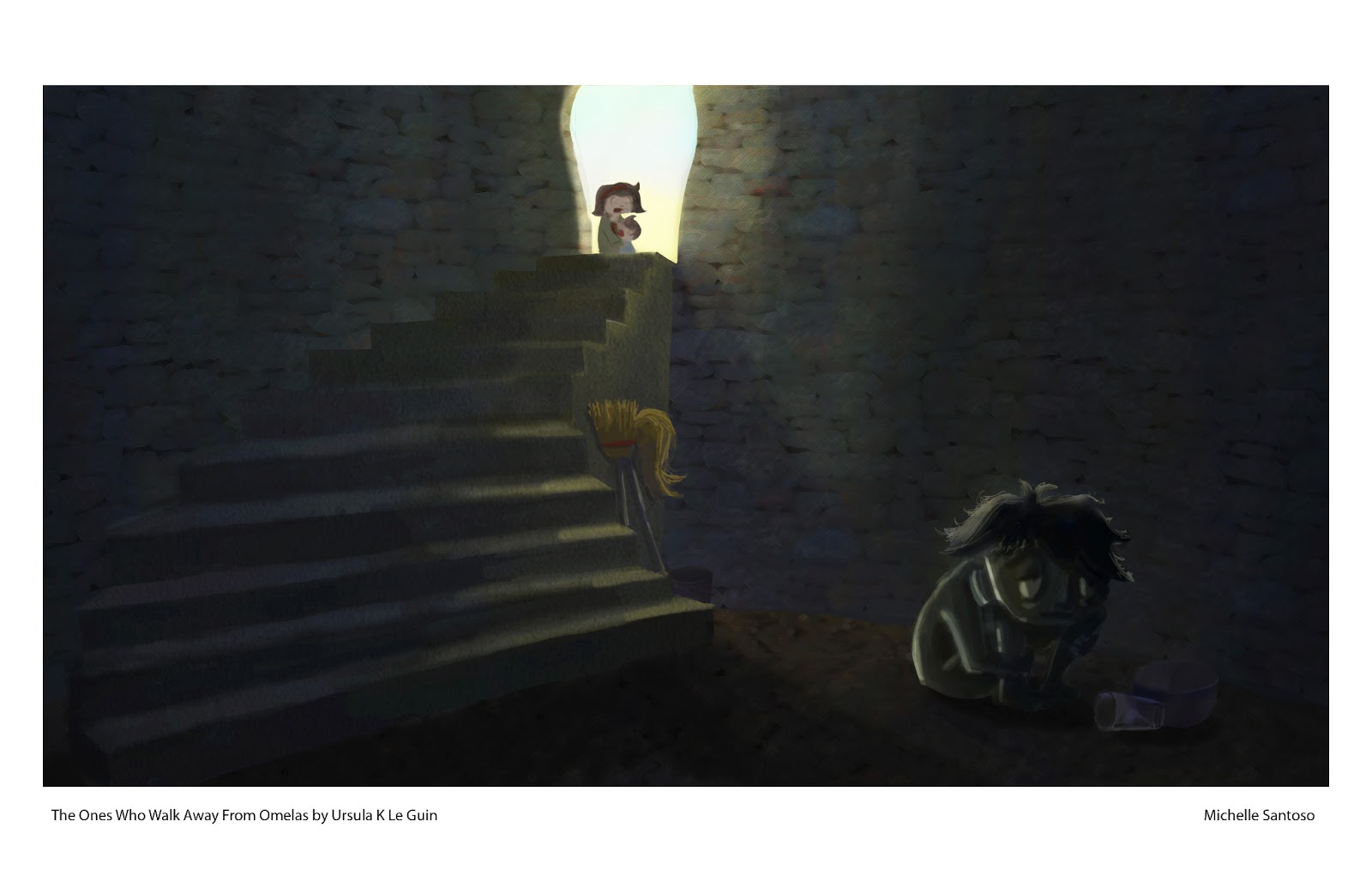
Sometimes, citizens fail to come to terms with the child's suffering, and decide to leave Omelas instead. Silent and alone, they walk into the darkness beyond the city and never come back. The narrator does not know where the ones who walk away go. Their destination may be even more un-imaginable to the audience than the city of Omelas.
The Ones Who Walk Away From Omelas Ursula K. Le Guin
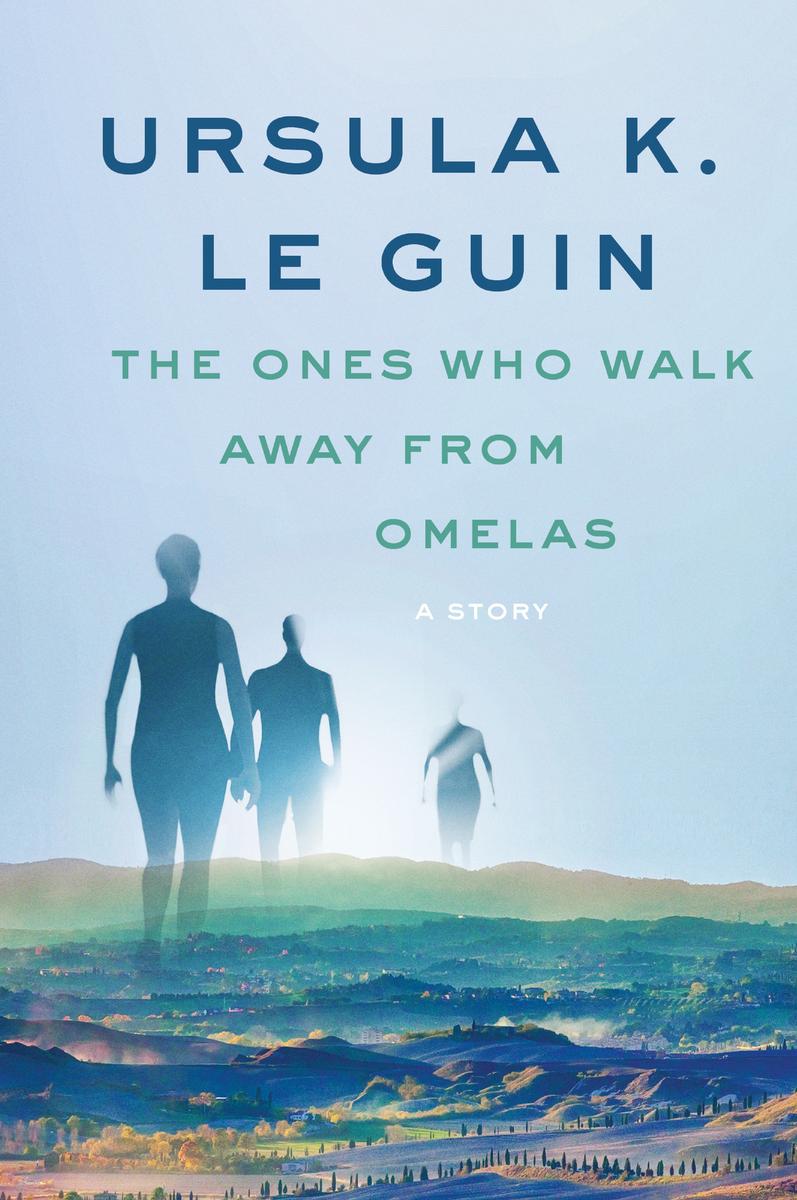
Full Plot Summary. The story begins with a narrator's description of the Festival of Summer in the city of Omelas, a town by the sea. The atmosphere is festive and reverent, with bells ringing out and the boats in the harbor displaying hung flags. The people of Omelas parade happily through the streets of the beautiful city as swallows fly.
Tầng nghĩa ẩn trong The Ones Who Walk Away from Omelas của Ursula K. Le Guin
Ursula K. Le Guin. 4.37. 41,919ratings4,566reviews. Shop this series. Some inhabitants of a peaceful kingdom cannot tolerate the act of cruelty that underlies its happiness.The story 'Omelas" was first published in 'New Dimensions 3' (1973), a hard-cover science fiction anthology edited by Robert Silverberg, in October 1973, and the following.
"The Ones Who Walk Away from Omelas" by Ursula LeGuin

A miserable child and a summer festival are at the heart of the short work of philosophical fiction first published by Ursula Le Guin in 1973. The Ones Who Walk Away from Omelas was sparked by.
Le Guin, Ursula The Ones Who Walk Away from Omelas
By Dr Oliver Tearle (Loughborough University) 'The Ones Who Walk Away from Omelas' is a 1973 short story by the American writer Ursula K. Le Guin (1929-2018). A powerful tale which its author described as a 'psychomyth', this story explores some weighty and important themes over the course of its eight pages. Below, we explore….
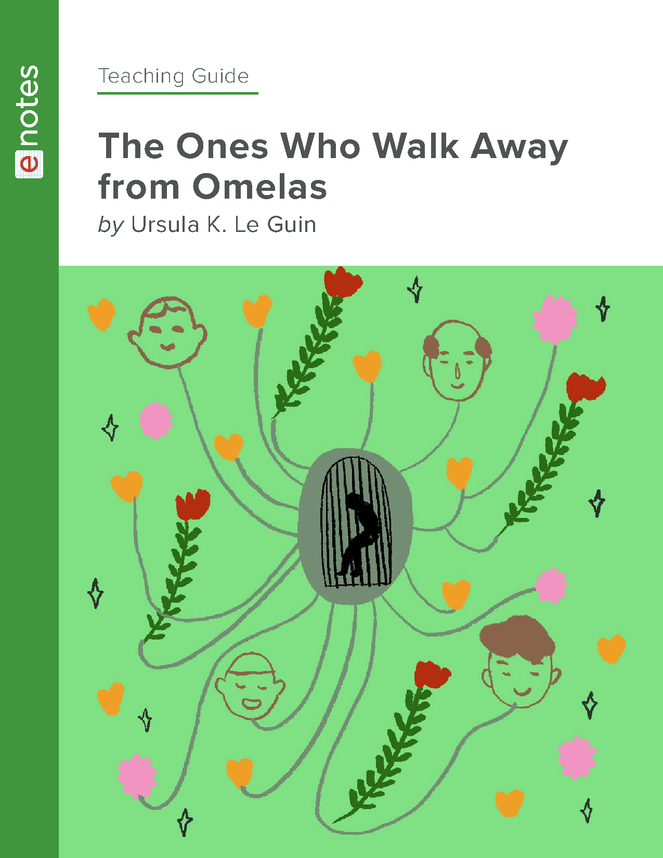
The Ones Who Walk Away from Omelas eNotes Teaching Guide
The Symbiotic Relationship between Beauty and Pain. Through the narrator's description of a utopia founded upon a child's unimaginable suffering, "The Ones Who Walk Away from Omelas" explores the symbiotic relationship between beauty and pain. The narrator first hints at this relationship when they lament people's tendency to assume.
Analysis of Ursula K. Le Guin’s The Ones Who Walk Away from Omelas Literary Theory and Criticism

Analysis. It is the Festival of Summer in the city of Omelas by the sea. Everyone in the city is celebrating and dancing as they parade northward through the streets toward "the great water-meadow called the Green Fields," where naked children sit astride horses, preparing for a race. Everyone is going to watch the horse race.
The Ones Who Walk Away from Omelas by Ursula K. Le Guin Books and Conversations

The recipient of numerous literary prizes, including the National Book Award, the Kafka Award, and the Pushcart Prize, Ursula K. Le Guin is renowned for her spare, elegant prose, rich characterization, and diverse worlds. "The Ones Who Walk Away from Omelas" is one of her best-known stories. Winner of the 1974 Hugo Award for Best Short Story
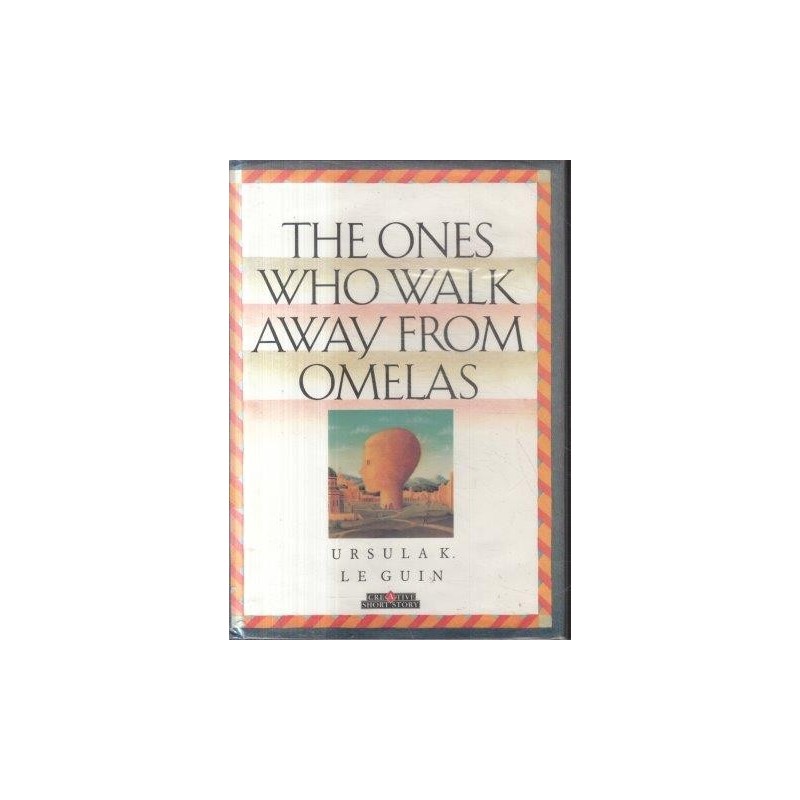
The Ones Who Walk Away from Omelas by Le Guin, Ursula K. RARE HARDCOVER 9780886825010 eBay

TheOnesWhoWalkAwayfromOmelas UrsulaK.LeGuin 1973 Withaclamorofbellsthatsettheswallowssoaring,theFestivalofSummercametothecity Omelas,bright-toweredbythesea.
The Ones Who Walk Away From Omelas by Ursula K. Le Guin SciFi World Building YouTube

Ursula K. Le Guin 's short story "The Ones Who Walk Away from Omelas," which was first published in 1973, then collected in The Wind's Twelve Quarters (1975), has appeared since then in multiple anthologies. The story is an allegory about a utopian society, which invites readers to decide what the moral of the story should be.
Le Guin, Ursula The Ones Who Walk Away from Omelas

The Ones Who Walk Away From Omelas by Ursula K. Le Guin. Topics omelas, bts, spring day Collection opensource Language English. Short Story Addeddate 2022-01-25 10:09:44 Identifier the-ones-who-walk-away-from-omelas Identifier-ark ark:/13960/s24mgzx4w0x Ocr tesseract 5.0.0-1-g862e Ocr_detected_lang en Ocr_detected_lang_conf 1.0000
Reading "The Ones Who Walk Away From Omelas" by Ursula K. Le Guin YouTube

The Ones Who Walk Away from Omelas (Variations on a theme by William James) URSULA K. LE GUIN With a clamor of bells that set the swallows soaring, the Festival of Summer came to the city Omelas, bright-towered by the sea. The rigging of the boats in harbor sparkled with flags. In the streets between houses with
Pin on PrisonIndustrial Complex Where Do We Go?

By Dr Oliver Tearle (Loughborough University) Writers can get ideas from the strangest of places. Omelas, the distinctive-sounding but entirely fictional city in Ursula K. Le Guin's 1973 short story 'The Ones Who Walk Away from Omelas', came from her reading a road sign for Salem, Oregon, ('Salem, O.') in her car's rear-view mirror.
PPT The Ones Who Walk Away from Omelas PowerPoint Presentation, free download ID2242690
In the short story "The Ones Who Walk Away from Omelas" (Variations on a Theme by William James), Ursula Le Guin presents us with a utopia that turns out to include an imperfect, even nightmarish dystopia.. The tension between these two heaven-and-hell extremes could be summed up in a pull between the impulse to leave in the title and the joyous arrival of the festival that sets the stage.
On Ursula K. Le Guin's "The Ones Who Walk Away From Omelas" Free Essay Example
1973. " The Ones Who Walk Away from Omelas " / ˈoʊməˌlɑːs / [1] is a 1973 short work of philosophical fiction by American writer Ursula K. Le Guin. With deliberately both vague and vivid descriptions, the narrator depicts a summer festival in the utopian city of Omelas, whose prosperity depends on the perpetual misery of a single child.
.